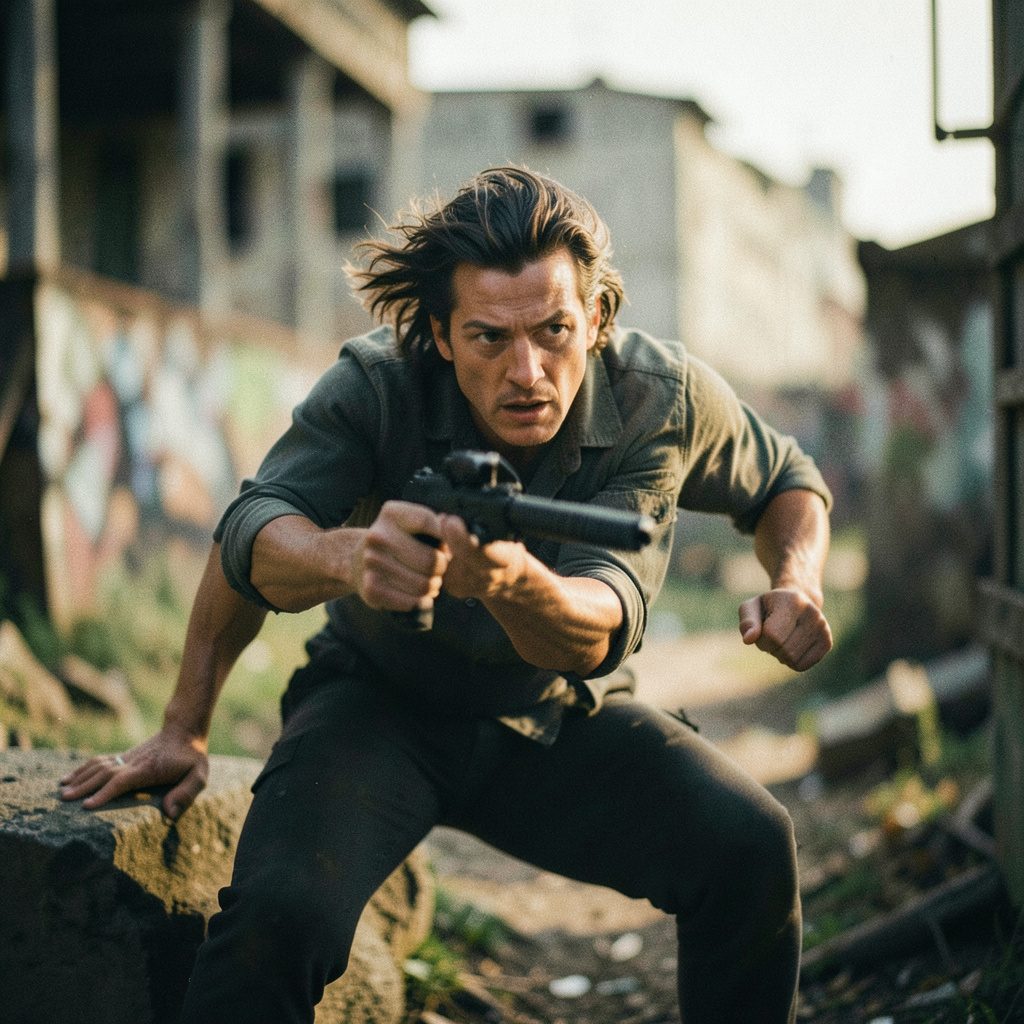
The underreported story of police militarization
Police militarization is often reduced to dramatic images: armoured vehicles, rifles, tactical helmets and officers moving through a protest in formation. The deeper story is less visual and more consequential. It concerns procurement rules, intelligence systems, emergency powers, private contractors and the gradual acceptance of battlefield methods in ordinary civic life.
For Australians, the issue is easy to miss because the country has no single national police force and rarely sees the kind of street violence associated with American news coverage. Yet the same pressures exist here: fears of terrorism, organised crime, protest disruption, online threats and public disorder. Equipment and doctrine can spread quietly through state budgets, federal programmes and commercial technology markets long before the public debates their use.
Why the label matters
Militarization does not mean every police officer is acting like a soldier. It describes a shift in equipment, language and institutional habits. Police begin to treat residents as potential threats, public spaces as contested zones and demonstrations as security problems rather than political expression.
The change can be seen in the growth of tactical units, crowd-control weapons, facial recognition, predictive analytics, drones and heavily protected vehicles. Some tools have legitimate uses in a siege or rescue operation. The concern arises when exceptional capabilities become routine, particularly when deployment standards are vague and oversight is weaker than the technology demands.
This also explains why the story is underreported. A new armoured vehicle can be presented as a safety upgrade, while a software contract may appear in a procurement notice that few journalists read. The public sees a press release about resilience; it does not always see the expanded capacity to monitor, identify and restrict movement.
From public order to battlefield logic
Modern policing increasingly borrows from military concepts such as force protection, threat assessment and dominance of terrain. These terms sound technical, but they influence how officers approach a march, a transport hub or a crowded sporting event. A peaceful crowd may be managed according to the possibilities of a riot rather than the evidence of one.
In Australia, public-order policing has become especially visible around climate demonstrations, housing protests and meetings involving controversial speakers. NSW Police and Victoria Police have faced criticism over tactics at protests in Sydney and Melbourne, while Queensland’s debate over protest restrictions has shown how quickly political disagreement can become a policing issue. The legal details differ by state, but the direction is familiar: stronger penalties, wider move-on powers and greater tolerance for pre-emptive intervention.
Economic anxiety can intensify these pressures. Rising food and energy costs have helped trigger unrest in many countries, as documented in reporting on food-price protests. Governments may respond to such unrest through social policy, or they may place greater emphasis on managing the visible symptoms in the streets.
What the Australian record shows
Australia’s geography and federal structure make comparisons complicated. The Australian Federal Police handles federal offences and protects national institutions, while state and territory forces conduct most everyday policing. Defence personnel generally have a different legal role from police, yet equipment, training methods and security assumptions can travel between agencies.
At a local level, the pattern is familiar. A protest in Melbourne’s CBD, a major event near Sydney Olympic Park or an operation in Western Sydney can involve public-order squads, mounted officers, drones, surveillance cameras and specialist vehicles. In regional areas, residents may encounter fewer resources but less transparency, because scrutiny from large newsrooms is thinner. The phrase “protecting the community” can close down discussion before anyone asks what risks were actually measured.
| Area of concern | Conventional policing model | Militarised tendency | Public question |
|---|---|---|---|
| Crowd management | Communication and negotiated boundaries | Tactical formations and mass detention | Was force proportionate to actual conduct? |
| Equipment | Standard uniforms and protective gear | Armoured vehicles, less-lethal launchers and drones | Who approved the purchase and how often is it used? |
| Intelligence | Case-based investigation | Broad monitoring of movements and associations | What data is collected, retained and shared? |
| Accountability | Clear incident review | Operational secrecy and security exemptions | Can an independent body examine the decision? |
The Australian market also matters. State police agencies purchase through large technology and defence suppliers, often competing for contracts that promise interoperability, rapid deployment and “smart” public safety. Once installed, systems develop their own momentum. Budgets are allocated for maintenance, staff are trained around the tool and officials become reluctant to admit that an expensive capability is unnecessary.
The costs hidden behind the hardware
The most obvious cost is financial. An armoured vehicle, drone fleet or automated recognition platform can consume funds that might otherwise support detectives, mental-health response teams, victim services or community liaison officers. Procurement decisions are rarely made as a simple contest between safety and liberty; they also reflect vendor influence, departmental prestige and the fear of being blamed after a rare catastrophe.
There are less visible costs. Heavy equipment can make ordinary encounters more intimidating, particularly for Indigenous Australians, migrants and young people who already report strained relations with police. A tactical presence may discourage people from attending a rally, entering a public meeting or recording police activity. The absence of a confrontation does not prove the tactic worked; it may show that people decided participation was too risky.
Digital surveillance adds another layer. Facial recognition, location data and automated profiling can connect a person to a protest without an officer ever speaking to them. Commercial data ecosystems also blur the boundary between public authority and private monitoring. Even a routine search for live blackjack online sits within an environment of identifiers, payment records and targeted advertising, illustrating how much behavioural information can exist outside traditional police files.
A practical audit trail
A serious public discussion should focus less on whether police look intimidating and more on the rules surrounding their capabilities. Residents, reporters and elected representatives can look for specific evidence rather than relying on official slogans or viral clips.
Useful warning signs include:
- Equipment bought before clear public guidelines are published
- Protest arrests based on broad or changing definitions of disruption
- Surveillance systems linked across agencies without a transparent retention policy
- Private contractors receiving access to sensitive operational data
The same scrutiny should apply when authorities describe a tool as “less lethal” or “intelligence-led”. Such labels do not explain its real-world risks, accuracy or effect on vulnerable people. A rubber projectile, chemical irritant or algorithmic watchlist can cause serious harm even when it is not classified as lethal.
Questions worth asking include:
- How often has the capability been used, and against whom?
- What independent body reviews complaints and deployment decisions?
- Can people correct or delete inaccurate data about them?
- Are officers disciplined when policy or law is breached?
Reclaiming oversight
Police need equipment suited to genuine emergencies, and communities need protection from violence. The answer is not to pretend that specialist units have no place. It is to prevent emergency tools from becoming the default language of public administration.
That requires stronger parliamentary review of state police budgets, detailed reporting on crowd-control deployments and accessible records of surveillance purchases. Ombudsman offices, privacy regulators and inspectorates should have the resources to investigate without depending on police cooperation. Journalists should follow contracts and training frameworks, not just spectacular incidents.
Australians often hear that a measure is necessary because the threat is evolving. Threats do evolve, but necessity should be demonstrated with evidence, time limits and measurable outcomes. A temporary power should expire unless lawmakers renew it after examining results. A surveillance system should face an independent privacy assessment before it expands.
The next concrete step is to search the relevant state police procurement portal for tactical equipment and surveillance contracts, then compare each purchase with its published rules for use, retention and independent review.