
Redmi Note 10S Smartphones With Amazing Deals
The Redmi Note 10S delivers sophisticated design and strong performance at a competitive price point.
The Redmi Note 10S delivers sophisticated design and strong performance at a competitive price point.
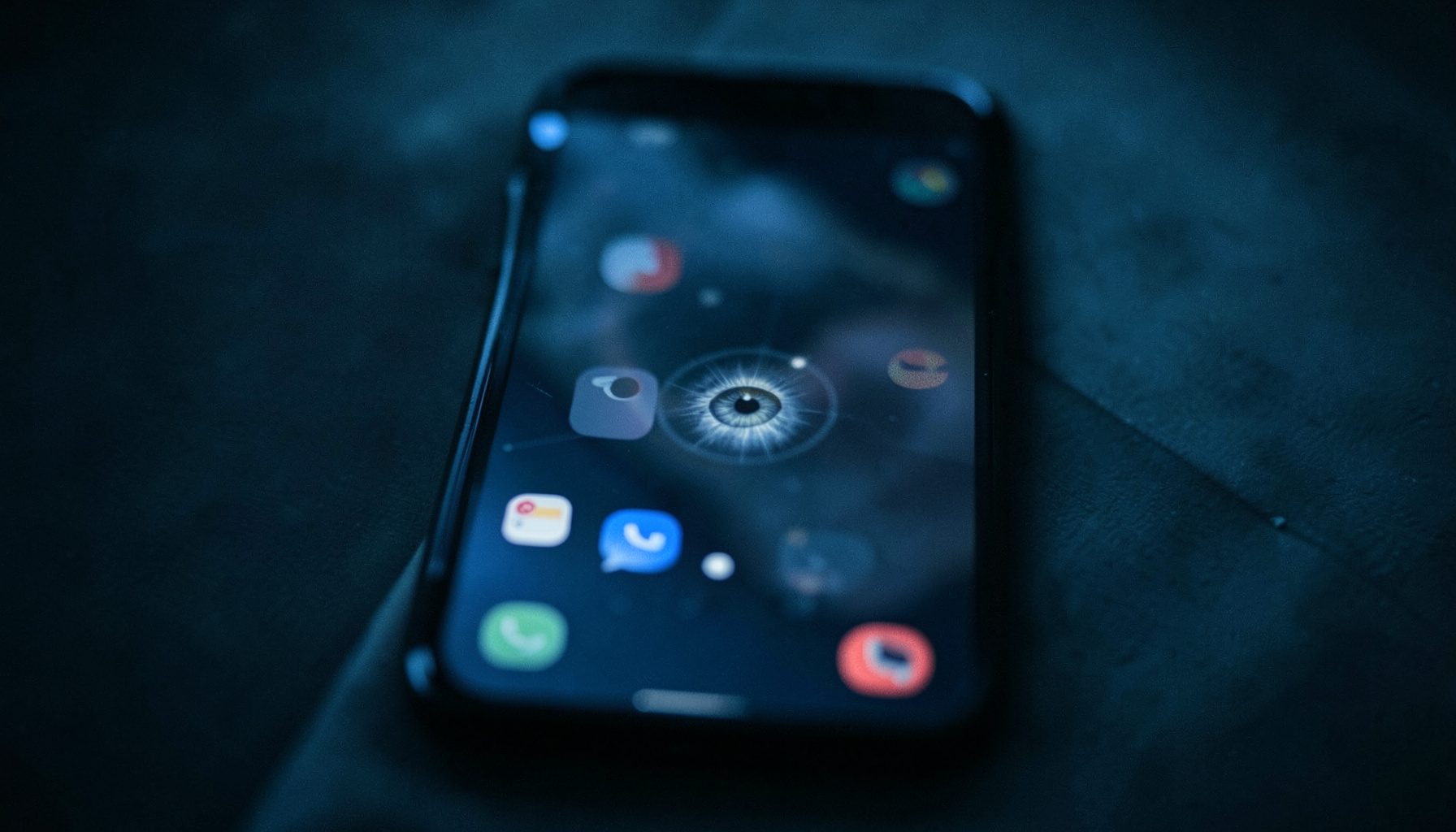
An investigation into whether social media platforms access smartphone sensors without user knowledge.
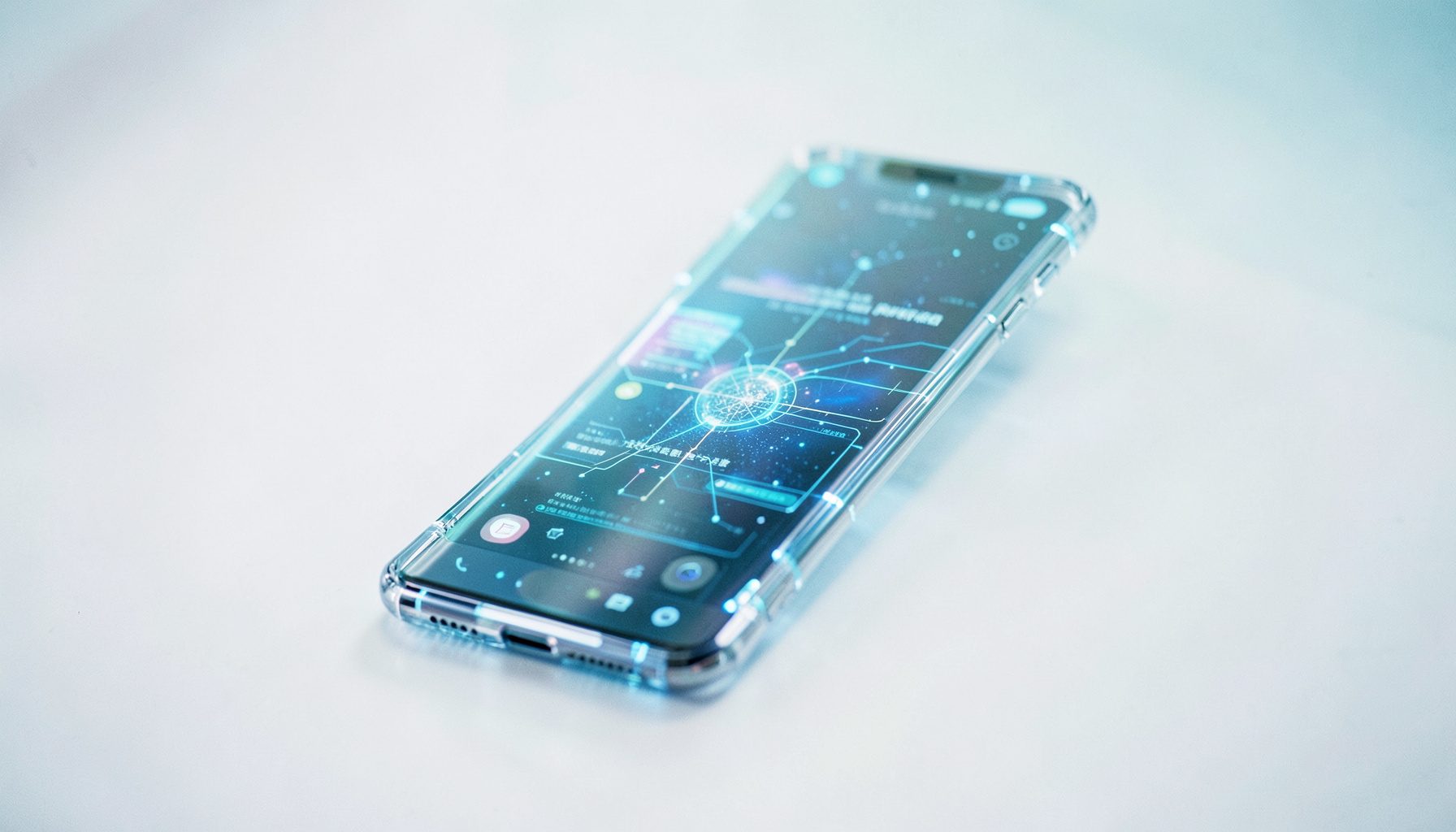
A forward-looking exploration of how Apple's flagship device might evolve over the next decade.
Reports and analysis have raised questions about whether major social media platforms tap into smartphone cameras and microphones for data collection. Our coverage examines the technical feasibility, corporate denials, and what users can do to protect their privacy.
From Facebook's data practices to Google's reach across devices, understanding the landscape of digital surveillance has never been more important.

The intersection of digital privacy and government surveillance remains a pressing concern for citizens across the political spectrum. Recent investigations have raised questions about how social media platforms and messaging applications handle user data, with many wondering whether their personal conversations are truly private. As technology companies continue to expand their reach into daily life, the balance between convenience and civil liberties grows increasingly delicate. Privacy advocates argue that without strong legal protections, individuals risk losing control over their own information. The ongoing debate reflects deeper anxieties about the power of large corporations and the extent to which digital tools can be used to monitor ordinary people without their knowledge or consent.
The mainstream media's coverage of political events has come under scrutiny from those who believe news organizations often prioritize narratives over facts. Critics point to instances where major outlets have published stories that later proved inaccurate, fueling distrust among readers who feel they cannot rely on traditional sources for truthful reporting. This skepticism has led many to seek alternative news platforms that claim to offer unfiltered perspectives on current events. However, the proliferation of unverified information online has created new challenges for those trying to distinguish credible journalism from propaganda. The tension between media accountability and freedom of expression continues to shape public discourse in an era of rapid information sharing.
Concerns about election integrity and the influence of foreign actors on democratic processes have become central topics in political conversation. Questions surrounding voter identification requirements, mail-in ballot procedures, and the security of electronic voting systems have sparked intense debate across party lines. Some argue that stricter regulations are necessary to protect against fraud, while others contend that such measures can disenfranchise legitimate voters. The role of social media platforms in amplifying political messages has also drawn attention, with investigations examining how algorithms may contribute to the spread of divisive content. As the nation grapples with these complex issues, the fundamental principles of representative democracy remain at the heart of the discussion.
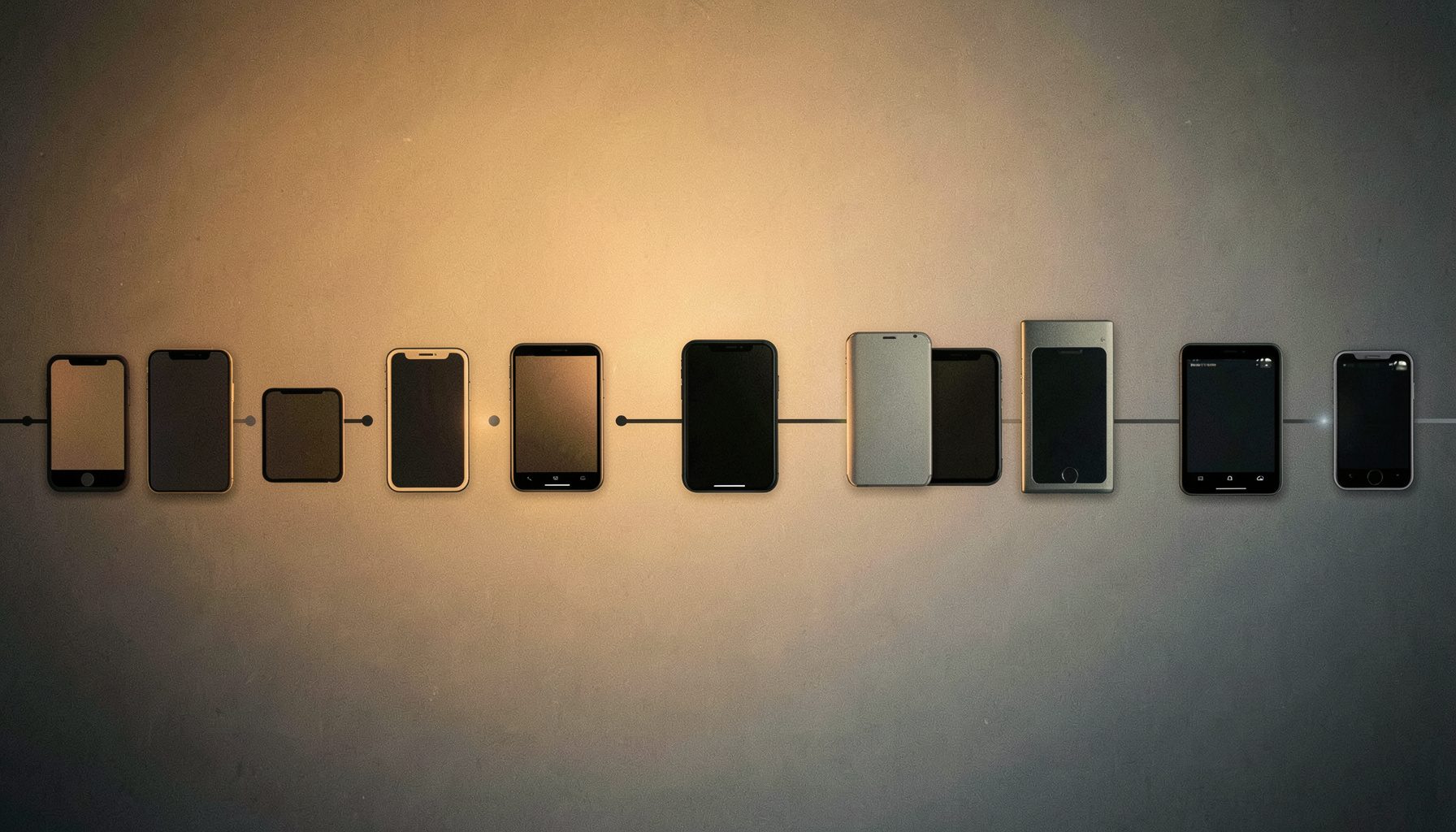
As the iPhone marked its tenth anniversary in 2017, industry watchers and analysts began projecting what mobile devices might look like another decade out. Foldable screens, augmented-reality integration, and AI-driven interfaces are among the possibilities discussed.
Meanwhile, brands like Redmi continue pushing affordable performance, bringing advanced features to wider audiences.
Bill Gates and Google co-founder Sergey Brin have backed ventures developing lab-grown meat, aiming to make protein production more sustainable and accessible. Meanwhile, Google has explored using AI to help diagnose clinical depression, signaling a new frontier in mental-health technology.

Get the latest science and technology stories delivered straight to your inbox.