Regions We Cover
- East Asia
- Middle East
- Europe
- Americas
- Africa
Latest World Reports
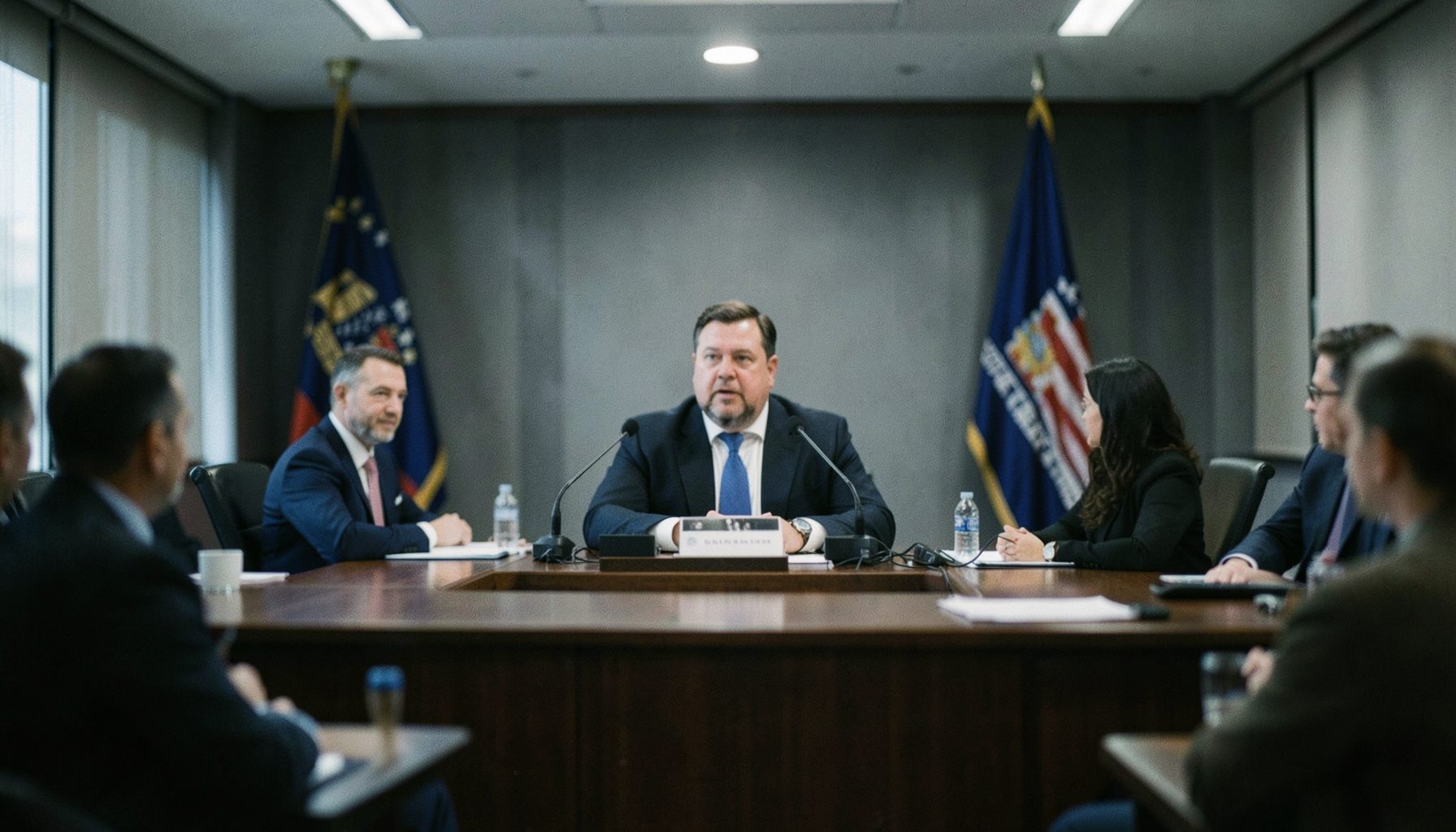
North Korea and US–South Korea Military Drills
Tensions on the Korean peninsula continue as joint military exercises draw sharp responses from Pyongyang. Diplomatic channels remain strained.

Middle East Peace Talks and Regional Tensions
Ongoing negotiations face hurdles as regional powers weigh in. Analysts track shifting alliances and the prospects for renewed dialogue.

European Leaders Issue Joint Statement on Trade
Key European officials released a coordinated statement addressing transatlantic trade policy, signaling a unified stance on tariff negotiations.

Diplomatic Shifts Reshape International Alliances
From the Indo-Pacific to the Atlantic, foreign ministries are recalibrating long-standing partnerships amid evolving security and economic pressures.
Stay Informed
Our world news desk tracks breaking developments across every continent. From security flashpoints to trade negotiations, we bring you the stories shaping the global landscape.
Follow our coverage for timely updates on international affairs.
International coverage of global conflicts reveals a troubling pattern of escalating tensions across multiple regions. Diplomatic efforts remain strained as world leaders navigate complex geopolitical shifts that threaten stability. The ongoing struggle between authoritarian impulses and democratic resistance continues to shape international relations, with many nations finding themselves caught between competing power blocs. Military posturing and strategic alliances are being reexamined as traditional partnerships face new pressures. Citizens around the world watch with growing concern as their governments respond to these challenges, with some turning to populist movements that promise strength and sovereignty while others advocate for renewed multilateral cooperation. The stakes have rarely been higher.
The global information landscape has become a battlefield where truth itself is contested. Media outlets across the political spectrum present competing narratives about world events, making it increasingly difficult for ordinary people to discern fact from fiction. Accusations of fake news fly freely, and state-sponsored disinformation campaigns seek to undermine trust in democratic institutions. This information war has real consequences, influencing elections, shaping public opinion on critical issues like immigration and trade, and even affecting how populations respond to natural disasters and health emergencies. Citizens must navigate this complex environment with critical thinking and skepticism toward sources that may have hidden agendas.
Geopolitical shifts are reshaping the international order in ways that demand careful attention. The rise of nationalist movements in established democracies, combined with the assertiveness of authoritarian states, has created an unpredictable global environment. Trade disputes, energy security concerns, and military buildups in strategic regions all contribute to a sense of unease among policymakers and the public alike. Meanwhile, transnational challenges such as climate change, terrorism, and pandemic response require coordinated international action that seems increasingly difficult to achieve. The coming years will test whether existing international institutions can adapt to these new realities or whether the world will fragment into competing spheres of influence.